


Marketing
- 5 min read
- Andres S.
The benefits of integrating SEO and social media marketing
Social media and SEO work better together. Learn how social media marketing can support your SEO, and how to balance the two for maximum brand exposure.
- 5 min read
Social media marketing (SMM) and search engine optimisation (SEO) work best as a team. Social media helps your content get seen, shared, searched for and linked to, while SEO makes sure the people searching for what you offer can find you.

People who aren't familiar with digital marketing often think that social media and SEO are separate entities, with completely different goals. But the reality is that organic social media and SEO work together to create value and give your audience the best content. If any digital strategy is to succeed, it should integrate social media, and there are several ways this can happen, as discussed in this article.
How Social Media Can Improve SEO
1. Social Posts Can Appear in Google Search
Google doesn't only show web pages. For some searches it also shows posts people have shared on social media, from platforms such as X (formerly Twitter), Instagram, TikTok and YouTube. When your social posts show up in search results, they don't have any direct effect on your website's SEO, but they can improve brand authority and awareness, and lead to links from other sites.
One way to take advantage of this is to post regularly on X and the other platforms your audience uses, using the same keywords and hashtags people search for.
2. Increased Brand Awareness
Social media increases brand awareness, which in turn supports your SEO. As much as this seems to offer more branding advantages than SEO advantages, SEO benefits too. If you build your brand's reputation on social media by publishing consistently and increasing engagement, you will have more online brand presence. As that presence grows, more people are likely to search for your brand by name on Google, and a brand people recognise finds it easier to earn clicks, links and mentions.
3. Social Media Promotes Content
Social media indirectly helps your search engine rankings through content promotion. No matter the amount and quality of content you produce or the level of optimisation you do for it, there is no guarantee it will get the attention it deserves. With social media, you can take your content and promote it on several channels.
The biggest advantage of social media is the ease and effectiveness with which you can share your SEO-based content. Links from social media posts may not compare to links from high-quality websites, but they bring real visitors. If your content is high quality and those visitors find what they need, they're more likely to spend time with it, share it and link to it.
4. Social Sharing may Result in Link Building
Social media can lead to links from highly influential websites. Influencers and publishers spend a lot of time on social media, so by having high-quality content on the same platforms they're on, you stand a chance of catching their attention. If you're lucky, they'll link to it from their blog or website. Without social media, it would be much harder to earn such high-value links.
Social media also increases the likelihood of more external sites linking to your content. Google uses links as a signal when it judges how relevant a page is, and whether prominent websites link to or refer to your content is one of the ways it assesses quality. The catch is that you must have high-quality, authoritative content, or the chances of attracting good links will be very low.
5. Social Media Encourages Engagement
Social media can support a site's SEO by increasing engagement. For example, if a person finds your content and shares it with other social media users, that share won't directly change how search engines rank you, but it puts your content in front of new people who may visit your site, search for your brand or link to you.
Other than improving your online reputation, engagement also generates leads for your business and increases your number of connections. Content that gets strong engagement on social media also shows you which topics deserve a deeper page on your website.
Balancing Social Media Practices and SEO
You need to align your social media and SEO efforts so your brand gets maximum exposure, because the two enhance each other.
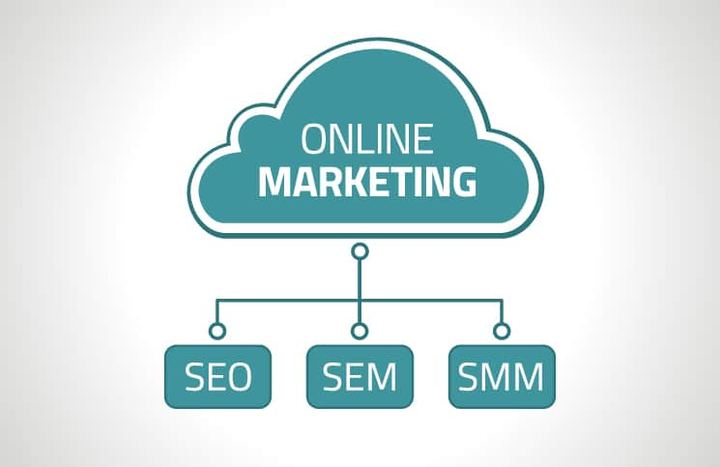
The following strategies can help you balance your social media practices and SEO.
i) Incorporating Social Media into Your Website
Build social sharing into your website architecture. This includes adding social media sharing buttons to individual posts, adding social sharing links to your email newsletters and linking to your social media profiles from your homepage. If your developer adds structured data to your site, listing your social profiles in your organisation markup can help Google understand which profiles are yours.
ii) Align SEO Keywords and Social Media
Compare your SEO keywords and social media keywords, and use the keywords they share across all your outlets, including your Facebook Page, LinkedIn Page, YouTube video titles and press release headlines.
Make sure to include the keywords both in static content and in day-to-day content. This will produce the best results.
iii) Frame Your SMM From the Keywords' Perspective
Keywords are very important for SEO. Centre your SMM around the same keywords, as this will help you reach your target audience with pinpoint accuracy.
Start with the broad themes that attract followers, and narrow into more specific keywords. Make sure to figure out the specific keywords or phrases your followers use when they search on your social networks.
iv) Capture Attention When the Wave Is at Its Peak
Be on the lookout for the hottest topics so you can capitalise on them in time. If you wait too long, there's a high chance you'll be lost in the noise.
Use social listening software to proactively tune into the topics your audience is discussing. This way, you won't have to wait until a topic is already hot to create your own content, by which time everybody else will have.
v) Measure Success and Take Corrective Action
Just like any other digital marketing effort, you must monitor your results to know what's working and what isn't. Consistently monitor your social media activity and your website, using tools such as Google Search Console and your website analytics, to track your successes and failures.
Analyse traffic and volume, but most importantly quality, as this is what will give you a real sense of whether your SMM and SEO efforts are reinforcing each other.
While social media mostly helps your search performance indirectly, over time it brings other invaluable benefits. One of them is the ability to use social media to increase conversions and organic traffic through search.
Because SEO benefits from social media, SMM efforts bring great value to your digital marketing strategy. A successful strategy must also take content development into account, because content is a very important element of both social engagement and SEO. Our guides to content creation for small businesses and social media marketing tips can help you plan it.
If you'd like help bringing your SEO and social media together, our digital marketing team can help you build a plan that covers both.
Want to know what a new client really costs you?
Book a 30-minute chat. Bring your current ads and last month’s report, and we’ll tell you straight what’s working and what isn’t.
Get the monthly notes
One email a month: what we automated, what broke, and what we’d do differently.


