


Marketing
- 7 min read
- Andres S.
7 SEM tactics to boost your marketing strategy
Search engine marketing puts you in front of people as they search. These seven tactics help you get more from Google Ads and organic search without wasting budget.
- 7 min read
Search engine marketing (SEM) puts your business in front of people at the moment they search for what you sell. Today the term mostly means paid search ads, such as Google Ads, but the best results come when your ads and your organic (unpaid) search presence work together. To make it work, you need more than a website.
Here are seven tactics to help your SEM program bring in the right visitors without wasting budget.
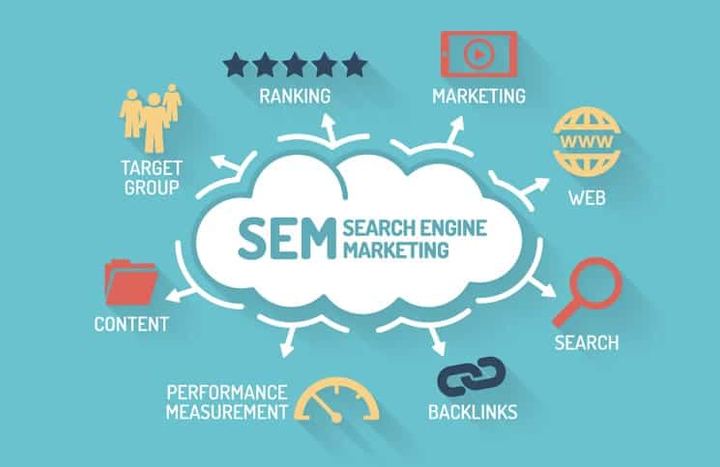
1. Make Sure Search Engines Can Find and Index Your Pages
Search engines can't show pages they haven't found. The good news is that you don't need to submit your site to dozens of search engines: they find new pages by following links and reading sitemaps.
- Set up Google Search Console. It's free, and it lets you submit a sitemap, see which pages are indexed and fix errors. Its URL Inspection tool shows whether a specific page is in Google's index.
- Don't forget Bing. Bing Webmaster Tools offers similar checks for Bing. Look at your analytics to see which search engines actually send you visitors, and prioritise accordingly.
- Link to every important page. Google can only follow standard HTML links, so every page you care about should be linked from at least one other page on your site. If your site relies heavily on JavaScript, check that key content and links show up when Google renders the page.
- Avoid shortcuts. Never pay for links or "submission" services on sites you're not sure about. Buying links to manipulate rankings breaks Google's spam policies and puts you in unnatural-links territory.
Search engines keep refining how they rank pages, so what worked a few months ago may not work today. Keep your pages useful and up to date; our explainer on what SEO stands for and how search works covers the organic side in more depth.
2. Choose the Right Platform and Campaign Type
The main search advertising platforms are Google Ads and Microsoft Advertising (formerly Bing Ads), which shows ads on Bing. Within Google Ads, the campaign type you choose matters just as much:
- Search campaigns show text ads to people searching for your keywords. They're the classic, most controllable form of SEM. Optional AI Max features can extend your reach beyond your keyword list, tailor your ad text and send people to the most relevant page on your site.
- Shopping campaigns show your products to people searching for them, which suits online stores.
- Performance Max campaigns use Google's AI to run your ads across Google's channels, Search included, from one campaign built around your goals.
- Demand Gen and Video campaigns are better at building awareness and demand on places like YouTube than at capturing searches. Google has been folding older campaign types into Demand Gen, so check which options your account shows.
To decide, think about your audience's age group and how they like to receive information, where they research and buy, whether your competitors advertise on search, your goals (enquiries, sales or awareness) and how much time you can give your campaigns. If your customers don't search for what you offer, for example because it's a brand-new kind of product, your budget may work harder in other channels.
And while search ads are usually pay-per-click (PPC), not all PPC is SEM: ads on social media and other websites can be bought per click too.
3. Don't Rush Your SEM Strategy
Running too many campaigns at once makes it hard to see what's working and spreads your budget and data thin. Start with a few focused campaigns (two or three is plenty) built around your most important products or services. Analyse the results, then decide what's next.
Patience matters even more with today's automated bidding. Smart Bidding strategies learn from your conversion data, and Google recommends judging their performance over periods with at least 30 conversions (50 for Target ROAS), such as a month or longer. Google also suggests consolidating campaigns where you can, so its AI has more data to learn from. Make changes deliberately and give them time to settle.
4. Higher Position Doesn't Always Mean Higher ROI
It's tempting to chase the very first ad spot. A top position may earn a higher click-through rate (CTR), but it usually costs more per click, and more clicks don't always mean more customers.
Google Ads retired its old "average position" metric in 2019. Instead, you'll see top impression rate (how often your ad shows among the top ads) and absolute top impression rate (how often it's the very first ad). Use them as context, not as goals.
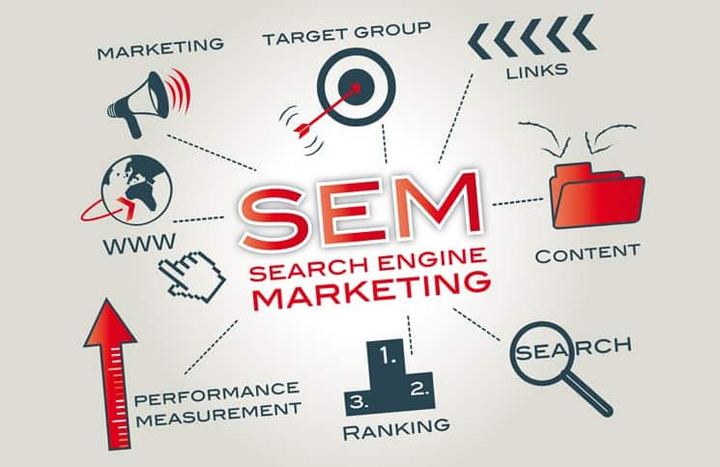
Judge success by what each customer costs you, not where your ad sits:
- Track cost per conversion and, if you sell online, return on ad spend (ROAS).
- Compare results at different levels of visibility. If a less prominent position brings the same number of conversions for less, stay there and keep the savings.
- Consider Smart Bidding strategies such as Maximise conversions, Target CPA or Target ROAS. They set bids for each auction based on the likelihood of a conversion, rather than chasing position.
5. A/B Test Your Ads
Search marketers are always balancing two things: ads appealing enough to earn clicks (a high CTR) and traffic qualified enough to convert (a high conversion rate). A/B testing is how you find that balance.
Responsive search ads do some of the testing for you. You can give each ad up to 15 headlines and 4 descriptions, and Google learns which combinations perform best. For more controlled tests, use the Experiments page in Google Ads:
- Ad variations let you test a change to your ad text across one or more Search campaigns.
- Custom experiments split traffic between your original campaign and a trial version, so you can test things like a bid strategy, keyword match types or a new landing page, then decide whether to apply the winner.
- AI Max experiments let you test Google's AI Max features against your current Search campaign setup.
Some rules haven't changed:
- Test one element at a time. List your 5 to 10 best test ideas and run them one by one, so you know what made the difference.
- Trust your data. You may have your own expectations, but the numbers are what count.
- Be patient. Run each test long enough to gather the data you need for a solid conclusion.
Good testing lowers wasted spend, increases conversion value and often reveals improvements you can apply to your other paid channels too.
6. Set Automated Rules, With Care
Automated rules in Google Ads make changes for you on a schedule, such as raising a budget on your busiest days, pausing ads or keywords that aren't performing, or switching on a promotion's ads on a set date. They save time, but they can also go wrong quickly. A rule that raises bids on keywords with a low cost per acquisition (CPA), for example, can keep pushing those bids up until the same keywords become expensive.
Google's own tips help you avoid that:
- Set bid and budget limits on every rule.
- Run a new rule once and check its impact before making it recurring.
- Keep daily bid changes small; Google's example is around 5%.
- Pair rules with counter-rules (one to raise bids, another to lower them) and stagger their run times so they don't clash.
- Review your rules at least once a week until you're confident in them.
Two modern caveats. Rules that change keyword bids only make sense where you set bids yourself, with manual CPC bidding; with Smart Bidding, Google sets bids for each auction, so use rules for budgets, scheduling and pausing instead. And rules built on retired metrics such as average position no longer work. For more complex automation, Google Ads scripts let you make custom changes using JavaScript.
7. Keep the Journey Consistent From Ad to Landing Page
Every ad should take people to a page that delivers exactly what the ad promised. If your ad offers a free quote for bathroom renovations, the landing page should be about bathroom renovations and make that quote easy to request, not drop people on your home page. If several ads with different messages all point to the same page, you risk a lower conversion rate and paying for clicks that go nowhere.
Message match also helps your ads compete. Google judges ad quality at auction time using expected click-through rate, ad relevance and landing page experience, the same three components summarised in your Quality Score. If you use AI Max's final URL expansion, Google may send people to other pages on your site that it judges more relevant to their search, so keep those pages current and exclude any that shouldn't receive ad traffic. Our guide to the elements of an outstanding business website covers what makes a page convert.
Search engines keep changing their tools, so keep tracking, testing and tuning your campaigns. If you'd like a hand planning or managing them, our digital marketing team can help.
Want to know what a new client really costs you?
Book a 30-minute chat. Bring your current ads and last month’s report, and we’ll tell you straight what’s working and what isn’t.
Get the monthly notes
One email a month: what we automated, what broke, and what we’d do differently.


