


Marketing
- 10 min read
- Andres S.
Organic vs inorganic SEO: win customers with SEO and Google Ads
Organic SEO earns unpaid rankings, while inorganic SEO means paid search ads such as Google Ads. Learn how they differ and how to use both to win new customers.
- 10 min read
Organic SEO means earning unpaid places in search results by making your website the most useful answer to what people search for. Inorganic SEO is another name for paid search: ads, such as Google Ads, that you pay for, usually each time someone clicks. Organic search builds lasting visibility slowly, paid search gets you seen straight away but stops when you stop paying, and most businesses win the most customers by using both.
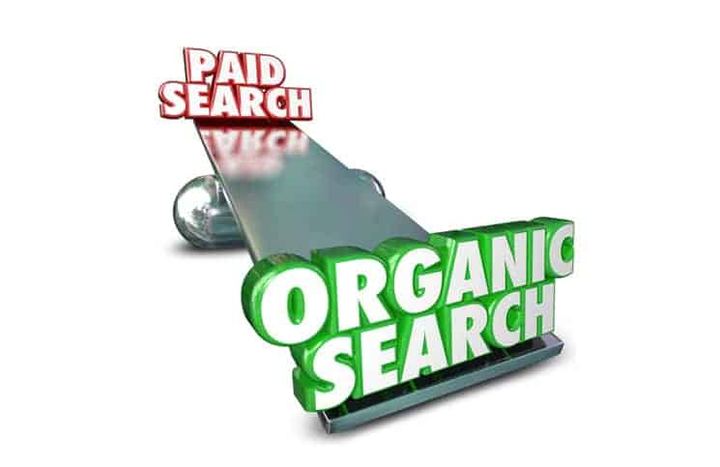
What's the difference between organic and inorganic SEO?
Search on Google and you'll usually see two kinds of results:
- Organic results are the regular listings Google ranks on their merits. Google says it doesn't accept payment to rank pages higher, so the only way in is to be relevant, useful and trustworthy for that search. Earning these places is what search engine optimisation (SEO) is about.
- Paid results are ads that businesses pay for through platforms such as Google Ads. They're labelled as sponsored and can appear above or below the organic results.
Strictly speaking, "inorganic SEO" is a misnomer. SEO is the organic side; the paid side is usually called paid search, pay-per-click (PPC) or search engine marketing (SEM). But the question behind the term is a good one: should you earn your visibility, buy it, or do both? If you're new to the topic, start with what SEO stands for and how it works.
Here's how the two compare:
- Cost: organic has no cost per click but takes time and expertise; paid charges you as people click (or take the other actions you pay for).
- Speed: organic usually takes months to build; paid can bring visitors as soon as your campaign is live.
- Longevity: organic rankings can keep delivering long after the work is done, with some upkeep; paid traffic stops when your budget does.
- Control: with paid search you choose the searches, locations and budget; with organic, the search engine decides what ranks.
- Measurement: both are measurable, but paid search gives you faster, more detailed cost and conversion data.
Organic SEO: earning your place
Organic SEO is the work of making your website the best result for the searches that matter to your business. It covers:
- Helpful content that answers your customers' questions better than anyone else.
- Technical health: a fast, secure, mobile-friendly site that search engines can crawl and index.
- On-page optimisation: titles, headings, descriptions, image alt text and internal links that use the words your customers search with.
- Links and mentions earned from other reputable websites.
- A local presence, such as a complete Google Business Profile, if you serve customers in a particular area.
The benefits of organic SEO
- No cost per click. Visitors from organic results don't cost you anything per visit, so a page that ranks well keeps paying off.
- Lasting results. Rankings you've earned don't switch off when a budget runs out, although they need upkeep to hold.
- Credibility. Appearing again and again with useful answers builds familiarity and trust in your brand.
- A foundation for everything else. The content and website improvements behind SEO also make your ads, social media and emails more effective.
The limits of organic SEO
- It takes time. Expect months rather than weeks, especially for competitive searches.
- There are no guarantees. Google doesn't guarantee that any page will be crawled, indexed or shown, and rankings shift as search engines update their systems and competitors improve.
- It needs ongoing work. Content dates, competitors catch up and search results keep changing, as Google's AI Overviews show.
Inorganic SEO (paid search): paying for visibility
Paid search lets you show ads to people searching for specific words and phrases, called keywords. On Google this happens through Google Ads, and Microsoft Advertising does the same on Bing. In a typical Search campaign, you choose your keywords, write your ads, set a budget and pay when someone clicks: the pay-per-click model.
Each time someone searches, an auction decides which ads appear and in what order. Your bid matters, but so does quality: how relevant your ad is to the search, how likely people are to click it and how useful your landing page is. A relevant ad and a genuinely useful landing page help you compete without simply outbidding everyone.
Paid search goes beyond text ads. Google Ads also offers Shopping campaigns, which show your products to people searching for them, and Performance Max campaigns, which use Google's AI to run ads across Google's channels from a single campaign.
The benefits of paid search
- Speed. Ads can start bringing visitors as soon as your campaign is approved and running, which helps when you're launching, promoting an offer or still building organic rankings.
- Precise targeting. You choose the searches you want to appear for, and where: whole countries, regions or cities, or a radius around your business.
- Budget control. You set an average daily budget and can pause or change your campaigns at any time.
- Clear measurement. With conversion tracking in place, you can see what each enquiry or sale costs and which keywords bring customers, not just clicks.
The limits of paid search
- Visibility stops when spending stops. Paid traffic ends when your budget does.
- Costs can climb. In competitive industries clicks can be expensive, and you're bidding against other advertisers for the same searches.
- It needs active management. Google's automation helps, but campaigns still need clear goals, good conversion data and someone reviewing keywords, ads and landing pages.
Worried about competitors clicking your ads to drain your budget? Google automatically filters invalid clicks, such as accidental or fraudulent ones, and doesn't charge you for them. If invalid activity is found after you've been billed, you're credited.
White hat vs black hat SEO
Not every organic tactic is a good one. Black hat SEO tries to trick search engines with tactics like stuffing pages with keywords, hiding text from visitors, buying links to manipulate rankings, mass-producing low-value pages or even hacking other websites to plant links. These tactics break Google's spam policies and can get pages demoted or removed from results altogether.
White hat SEO plays by the rules and focuses on people: helpful content, a fast and accessible website, honest titles and descriptions, and links earned because your content is worth referencing. It's slower, but it's the only approach that builds something lasting. Google sets out the rules in Google Search Essentials, which covers its technical requirements, spam policies and key best practices.
Be wary of anyone promising guaranteed or overnight rankings. Google itself doesn't guarantee that any page will appear in its results, so no one else can either.
How to use SEO and Google Ads to win new customers
Customers tend to head online when they're looking for products and services, but a website on its own won't bring them to you. SEO and Google Ads are two of the most direct ways to reach people at the moment they're searching, and they work best when you plan them together.
Start with the searches your customers make
Both channels begin with the same question: what do your customers type when they need you? Put yourself in their shoes, then check the data:
- Google Search Console shows the searches your site already appears for.
- Keyword Planner, a free tool in Google Ads, suggests related keywords, shows how often they're searched and forecasts what clicks might cost.
- The search results for your main keywords show who you're up against and what type of page ranks.
Prioritise specific searches with clear intent. Someone searching for "gluten-free birthday cake delivery" is much closer to buying than someone searching for "cake".
Put keywords where people and search engines look
Use the words your customers use, naturally, in the places that matter most:
- your page title and main heading;
- the body text, especially near the start;
- your meta description, which may be shown as the snippet under your title;
- image file names and alt text;
- the text of links pointing to the page from elsewhere on your site.
Beyond keywords, the basics still count: compress and describe your images, write clear and specific titles and descriptions, link to related pages on your own site and to genuinely useful sources elsewhere, and make your content easy to share. Our guide to the elements of an outstanding business website covers the foundations.
Make Google Ads work for you

- Match keywords to intent. Google Ads offers broad, phrase and exact match, which control how closely a search must relate to your keyword. Broad match reaches the widest range of searches, and Google recommends pairing it with Smart Bidding; exact match gives you the most control but the smallest reach.
- Write ads that earn the click. Responsive search ads let you add up to 15 headlines and 4 descriptions, which Google mixes and matches to show the most relevant combinations. Include your main keywords and a clear reason to choose you.
- Target the right places. Show ads only where you can serve customers, whether that's a whole country, a region or a radius around your shop.
- Set a budget you're comfortable with. You set an average daily budget. On busy days Google may spend up to twice that amount, but in a month you won't be charged more than your daily budget multiplied by 30.4, the average number of days in a month.
- Track conversions. Measure the actions that matter, such as calls, forms, bookings and sales, so you can see which keywords bring customers and so Smart Bidding has the data it needs.
- Send people to the right page. Each ad should lead to a page that delivers exactly what it promised. Landing page experience is one of the factors Google uses to assess ad quality.
For more on running campaigns, see our 7 SEM tactics to boost your marketing strategy.
Let each channel make the other smarter
- Mine your ads for content ideas. The search terms report in Google Ads shows the actual searches that triggered your ads. The ones that turn into customers are great topics for new or improved pages.
- Use organic data to sharpen your ads. Search Console shows searches where you appear but rarely get clicked. Those may be worth covering with ads, or with a better page title.
- Test messages quickly. Ads can show you fairly quickly which headlines people respond to, and the winners can inspire your page titles and descriptions.
- Fill the gaps. Use ads for important searches where you don't rank yet, and review your spend as your organic rankings grow.
- Build pages that serve both. A genuinely helpful landing page gives you a better chance of ranking and of converting the visitors your ads send.
Reaching customers in other languages and countries

If you want customers in a new country or language, translating your website is only the start. To be found, your content needs to match how people in that market search.
- Research keywords in each language. People in different markets often use different words for the same thing, so a direct translation of your keywords may miss what locals actually type.
- Give each language its own pages. Separate addresses for each language version make it easier for search engines to show people the right one, and your developer can mark up which pages are translations of each other.
- Work with fluent translators who understand search. They can adapt headlines, keywords and meta descriptions so they read naturally and match local searches, rather than translating word for word.
- Localise your ads too. Target ads to the countries you're entering and write them for each market.
Which is best for your business?
There's no single right answer: it depends on your goals, timeline, budget and competition. As a guide:
- If you need customers soon, for a launch, a new location or a seasonal offer, lean on paid search while you build your organic foundations.
- If your budget is tight, get the organic basics right first (clear service pages, a fast website, a complete Google Business Profile and content that answers common questions), and run small, tightly targeted ad campaigns on your highest-intent searches.
- If you're in a competitive market, expect organic results to take longer and clicks to cost more. Focus on specific niches and longer, more detailed searches in both channels.
- If you're well established, use organic search as your backbone and paid search to fill gaps, test new offers and support key campaigns.
Whatever your mix, avoid shortcuts that promise super-fast results, and measure both channels against the same goal: new customers at a cost that makes sense for your business.
Not sure where to start? Our digital marketing team can review your search presence and help you plan the right mix of SEO and Google Ads.
Want to know what a new client really costs you?
Book a 30-minute chat. Bring your current ads and last month’s report, and we’ll tell you straight what’s working and what isn’t.
Get the monthly notes
One email a month: what we automated, what broke, and what we’d do differently.


